Posted By-Snow Upchurch
If you're taking into consideration vision modification alternatives, SMILE eye surgical procedure may be on your radar. This innovative treatment includes creating a tiny lenticule in the cornea to resolve nearsightedness and astigmatism. Unlike typical LASIK, it's less invasive and guarantees quicker recovery. However, while there are substantial benefits, there are additionally risks included. Understanding both aspects can help you make an educated decision regarding your eye wellness. What's the recovery procedure like, and what should you expect?
Comprehending the SMILE Procedure
The SMILE treatment, or Tiny Laceration Lenticule Removal, is a minimally invasive eye surgical procedure created to deal with vision issues like nearsightedness and astigmatism.
Throughout this procedure, a laser produces a little lenticule, or lens-shaped cells, within the cornea. You will not need any stitches, as the small cut enables a fast healing.
The cosmetic surgeon after that removes the lenticule with this little cut, improving your cornea to enhance your vision. Unlike traditional LASIK, SMILE doesn't need the creation of a large flap, which can result in fewer complications.
You'll find that this method is less disruptive to the corneal framework, potentially boosting stability. Comprehending the procedure assists you feel more certain as you consider your options for vision modification.
Perks of SMILE Eye Surgery
While considering vision improvement options, you could find that SMILE eye surgical treatment supplies a number of engaging advantages.
Initially, it's minimally intrusive, needing only a small cut, which suggests much less interruption to your eye framework. This results in quicker healing times and much less pain compared to typical LASIK.
You'll additionally appreciate its precision; SMILE makes use of advanced laser technology to improve the cornea, giving outstanding outcomes for nearsightedness and astigmatism.
Moreover, lots of patients report boosted visual top quality, with less instances of glow or halos. Since there's no need for a corneal flap, your eyes remain a lot more steady post-surgery.
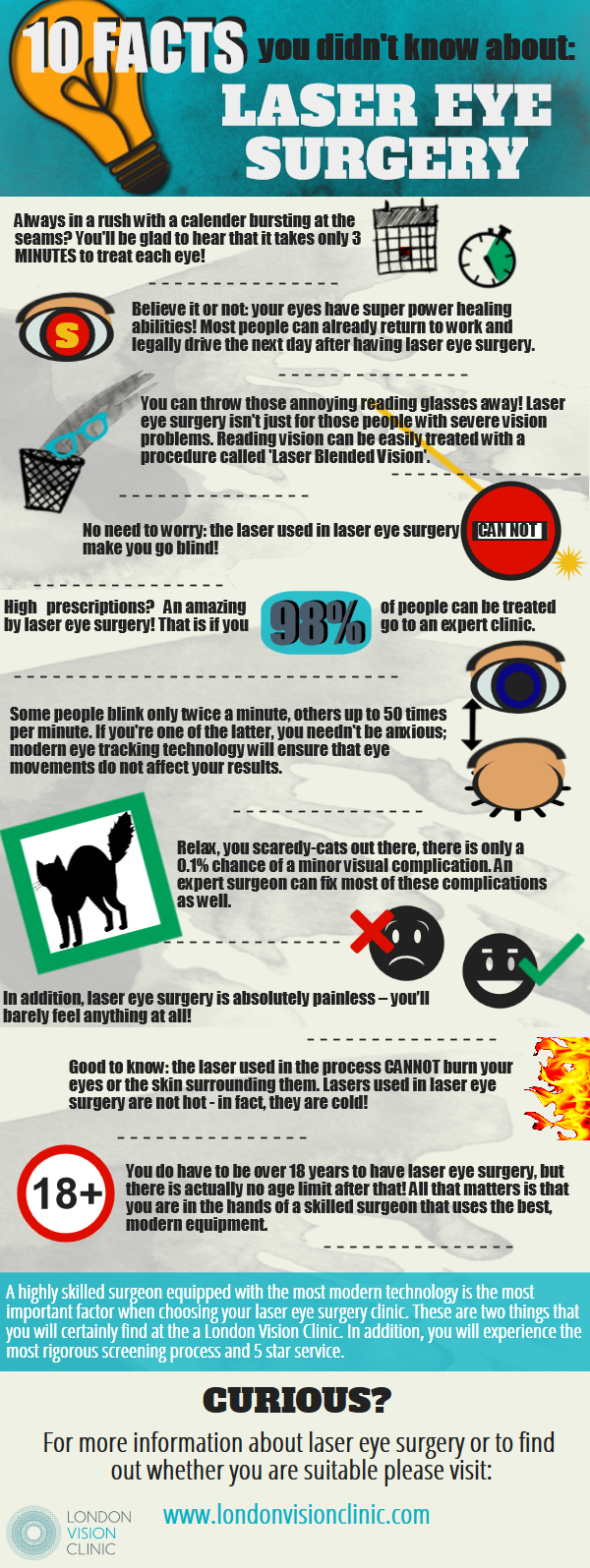
https://drive.google.com/file/d/1VDm5NBp32OL-2yIR8vaP1flzhhq5Q8FH/view?usp=sharing but not least, the procedure usually takes simply a few minutes, permitting you to go back to your day-to-day activities quicker than with various other approaches.
Possible Threats and Recuperation Refine
Although SMILE eye surgical procedure is normally safe, it is necessary to be aware of prospective threats that can occur during or after the treatment. Some individuals may experience momentary negative effects like dry eyes, glare, or halos around lights.
In unusual situations, complications such as infection, vision loss, or the demand for added surgery can occur.
Recovery normally involves a couple of days off and preventing exhausting activities. https://www.npr.org/templates/story/story.php?storyId=90070220 ought to follow your surgeon's post-operative instructions meticulously, including making use of prescribed eye decreases and going to follow-up appointments.
Several clients notice enhanced vision within a couple of days, however full healing can take weeks. Staying client and giving your eyes time to heal is important for the best end result.
Verdict
To conclude, SMILE eye surgical treatment supplies a modern-day, minimally invasive choice for remedying nearsightedness and astigmatism. With its quicker recuperation time and reduced discomfort, it's an enticing option for numerous. Nevertheless, it's necessary to evaluate the potential dangers against the benefits. By staying notified and complying with post-operative care, you can maximize your possibilities of an effective end result. If you're considering this treatment, seek advice from your eye treatment professional to determine if it's right for you.